
Lockout/Tagout (LOTO) (Construction)
20 min! Run Time
Employees
only
of Completion
What you'll learn
Skills covered in this course
Description
OSHA Standard: 1926.416, .417, 1926.64, 1926.702, Subpart K & industry best practices
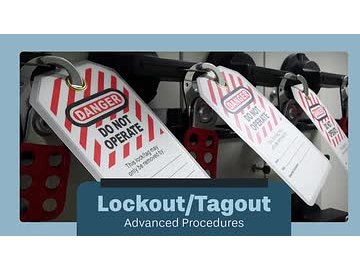
The Control of Hazardous Energy illustrates the three roles of the Lockout Tagout (LOTO) program, reviews different safety devices, and clearly outlines the correct LOTO and release from LOTO process steps.
An interactive simulation is included to help learners identify different energy sources and which lockout device to apply prior to maintenance
System Requirements
See System Requirements in the Coggno Knowledge Base
Author

A passionate group of tech enthusiasts, storytellers, and innovators committed to creating immersive training solutions that help save lives. We are proud to be certified as an economically disadvantaged, woman-owned, veteran-owned small business. Being of service to others is in our DNA!
Lockout/Tagout (LOTO) (Construction)

Frequently Asked Questions
Construction lockout work sits under Subpart K, with 1926.416 and .417 covering electrical isolation and 1926.64 and 1926.702 the process and concrete provisions.
The course illustrates the three roles of the lockout tagout program, helping construction workers understand who does what during energy control.
Yes, an interactive simulation helps learners identify different energy sources and determine which lockout device to apply before maintenance.
Learners review different lockout tagout safety devices alongside the correct process steps for both applying LOTO and releasing equipment from it.
Yes, it applies the Control of Hazardous Energy standard specifically to construction settings rather than general industry.

OSHA Standard: 1926.416, .417, 1926.64, 1926.702, Subpart K & industry best practices
The Control of Hazardous Energy illustrates the three roles of the Lockout Tagout (LOTO) program, reviews different safety devices, and clearly outlines the correct LOTO and release from LOTO process steps.
An interactive simulation is included to help learners identify different energy sources and which lockout device to apply prior to maintenance